
10 Powerful Facts About Egúngún: The Yoruba Ancestral Deity You Should Know

In Yoruba spirituality, Egúngún represents the deified ancestors—those who have passed on but remain deeply connected to the living. According to Ifá teachings, the ancestors are not gone—they continue to watch over, protect, and guide their descendants. Egungun is both a spiritual force and a sacred tradition that links families to their roots, culture, and divine lineage.
If you're exploring Yoruba tradition, African spirituality, or Ifá, here are 10 essential facts about Egungun that every devotee and curious seeker should know.
1. Egúngún Are Active in the Lives of the Living
Egúngún are believed to remain part of the extended family, guiding and influencing the destiny of their descendants. They offer spiritual support in matters of health, prosperity, safety, and ancestral blessings.
2. Egúngún Must Be Fed Regularly for Protection and Blessings
Feeding the Egungun (both maternal and paternal) helps maintain their presence and support. This spiritual offering ensures continued guidance, protection, fertility, wealth, and all forms of “Ire” (blessings).
3. How Often Should Egungun Be Fed?
Traditionally, Egungun should be fed at least twice a year. Some families feed them more frequently, depending on specific ancestral instructions or family customs.
4. Egungun Manifest Through Masquerades
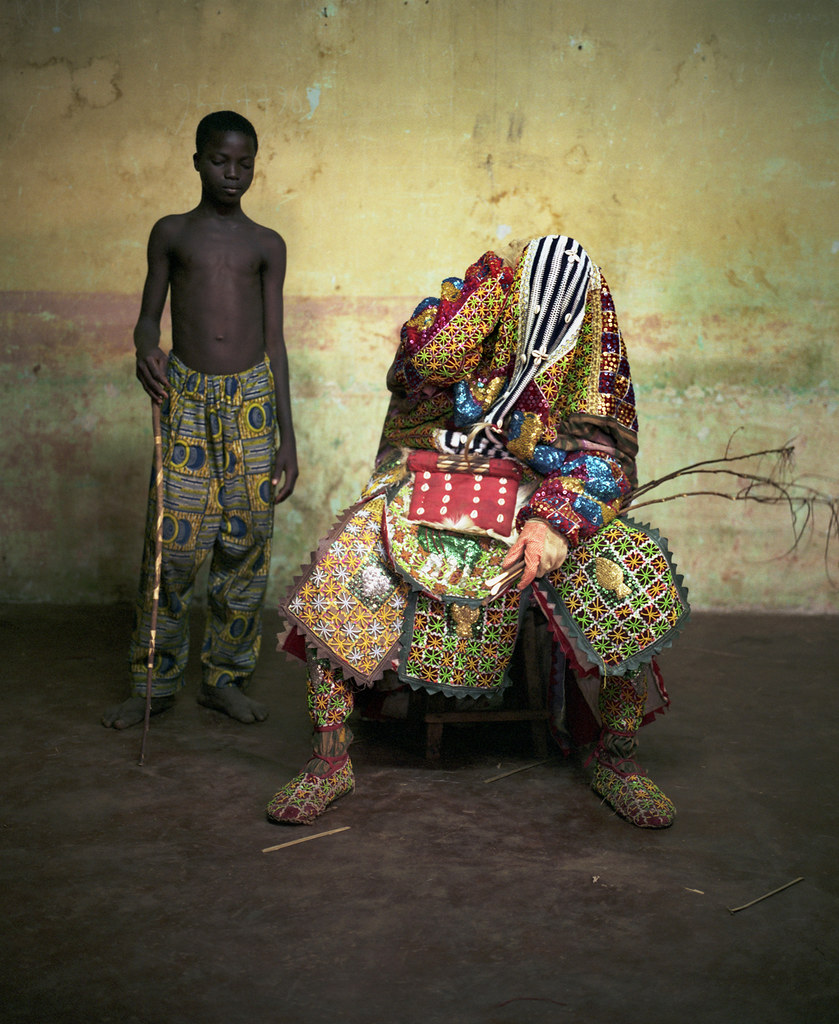
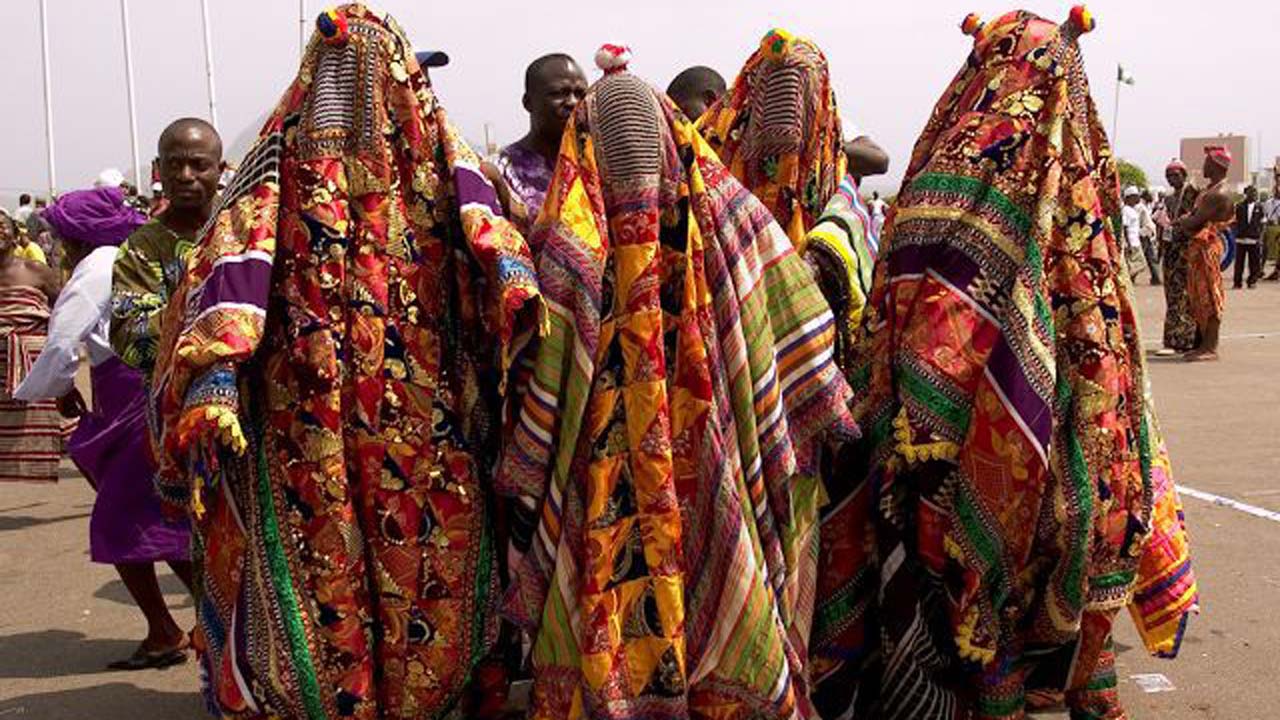
Egungun appear as masquerades, often called "Ara Orun Kinkin"—meaning “Inhabitants of the Heavenly Realm.” These colorful, energetic performances are not mere entertainment—they are ritualistic appearances of ancestral spirits in public.
5. Symbols of Egungun
The sacred symbols of Egungun include:
Decorated switches and whips
“Aso Iyamoje” – a hand-woven coarse cloth
Special footwear and socks for the masquerade
These items carry spiritual significance and help embody the ancestral force during ceremonies.
6. Taboos of Egungun Worship
Respect for Egungun comes with strict taboos, such as:
No palm wine or palm kernel oil
Women are not permitted to enter Egungun shrines
Obatala devotees must not carry Egungun masquerades
The face of the Egungun must never be seen
Egungun masquerades must not enter blacksmith workshops
7. Three Traditional Postures for Feeding Egungun
Egungun can be fed in any of the following positions:
Kneeling
Sitting
Bending forward
These postures show reverence and humility before the ancestral spirit.
8. Feeding a Specific Ancestor
When honoring a specific ancestor, all ritual materials must be taken to their tomb site for the ceremonial offering. The ritual is performed in accordance with the guidance of Ifá divination.
9. Types of Egungun Masquerades
There are different types of Egungun with distinct functions and appearances:
Egungun Elérù – carries symbolic loads
Egungun Olópon – with a large headdress
Egungun Janduku – switch-wielding warriors
Egungun Alaté (Tombolo) – known for their elaborate robes
Hunters' Egungun (Egungun Ode) – spiritual embodiment of ancestral hunters
Others include Gelede and Ààbé masquerades for cultural and feminine-centered festivals
10. Egungun Feeding Materials
Offerings to Egungun typically include:
Kolanut and bitter kola
Gin or traditional liquor
Ram
Swallow foods like pounded yam or amala
Each item symbolizes honor, sustenance, and spiritual gratitude.
�� Final Thoughts: Why Egungun Worship Matters
Honoring Egungun is more than just tradition—it's a way to connect with ancestral energy, heal generational wounds, and preserve African spirituality in its purest form. For Ifá practitioners and Yoruba traditionalists, keeping a relationship with Egungun is a sacred obligation.
�� Want More?
Follow our blog for weekly insights into Ifá, Orisa traditions, Yoruba spirituality, and practical guides to deepen your ancestral connection.
�� Share this post, leave a comment, or join our growing House of Ifá & Òrìṣà Wisdom community on Facebook.
Aboru Aboye Abosise.


Comments
Post a Comment